
 Translate
What’s happening in Rainbow Schools?
Rainbow Schools challenged to turn good intentions into green actions
Throughout October, Rainbow Schools are encouraged to take action to support sustainability.
From exploring the great outdoors and biking to school, to eating local and reducing waste, this month’s environmental challenge invites staff and students to make choices that are good for the planet.
“Helping students make connections between environmental choices and their impact on the planet remains a priority,” said Rainbow District School Board Chief Executive Officer Bruce Bourget. “By turning sustainable choices into everyday habits, students can reduce their carbon footprint and inspire positive change in their schools and communities.”
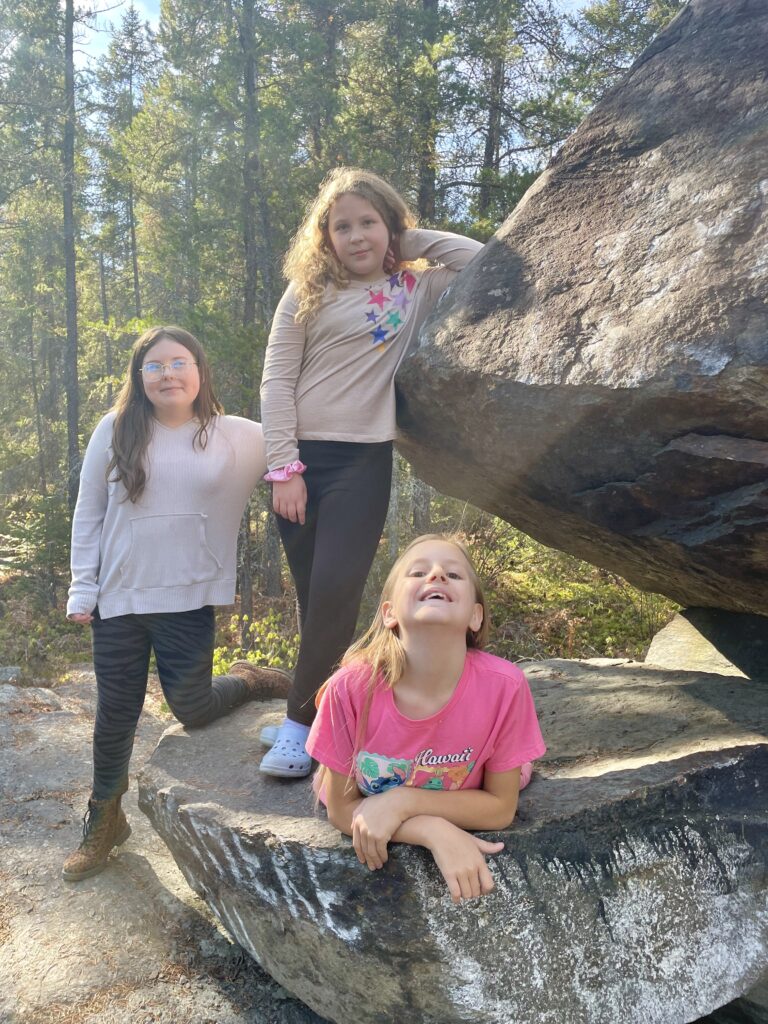
On Take Me Outside Day (October 21st), students stepped beyond the classroom and explored the natural world. Whether investigating local ecosystems, observing fall colours or engaging in hands-on outdoor activities, students connected with the land to support their well-being.
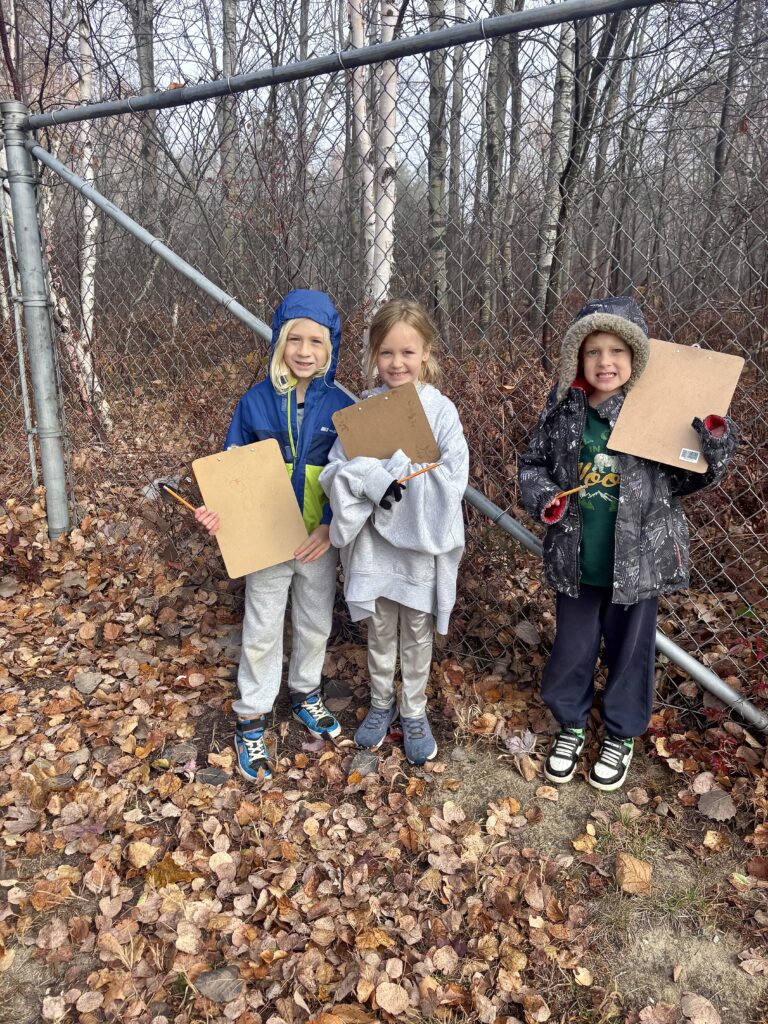
This initiative also encouraged students to eat local and think global with sustainable food choices. Selecting locally grown foods, growing herbs and vegetables at school, and preparing snacks from scratch help decrease food miles and packaging waste.
Choosing active transportation, such as walking, biking or rolling, or carpooling to school helps reduce greenhouse gas emissions while promoting physical health and well-being.
Waste Reduction Week in Canada was October 19 to 23, 2026. This national environmental campaign encourages responsible consumption, the use of environmentally friendly products/services, and actions that conserve natural resources and divert waste from disposal.
Daily themes inspired students to rethink what they throw away and discover new ways to reduce waste, including Wear Blue Monday, Clothing Drive Tuesday, e-Waste Wednesday, No Plastics Thursday and Litterless Lunch Friday.
“From an Indigenous perspective, sustainability begins with how we care for the land,” said CEO Bruce Bourget. “Indigenous teachings remind us of our relationship with the natural world and our shared responsibility to protect it for future generations.”
Traditional Indigenous Medicine Wheel teachings, or M’Shkiki E-waawyeh Kinomaadwinan, parallel a circular economy. By placing ourselves in the centre of the circle – as consumers, responsible members of our family, and active citizens in society – we foster the ability to make conscious choices with positive impacts on the environment.
A variety of traditional Indigenous practices promote environmental stewardship, including harvest only what we need, use all parts of animals/plants during a harvest, avoid waste whenever possible, appreciate reusable materials, be creative in reusing items, and avoid disposable cutlery by carrying a feast bundle with naagnan – plates, dboosk-naagnan – bowls, minikweganan – cups, b’dakjii’ganan – forks, emkwaanan – spoons, and mookmaanan – knives.
By taking only what we need, sharing resources, repairing and reusing items, and respecting the land, we can put these values into action each and every day.
Rainbow District School Board hosts monthly environmental challenges throughout the school year as part of its commitment to environmental education and sustainability. Rainbow District School Board was one of four school boards in Canada to achieve 100 per cent Eco Schools certification in the 2025-2026 school year.
What will next month’s challenge be?
-30-
Media Contact:
Nicole Charette, Senior Advisor,
Corporate Communications and Strategic Planning,
Rainbow District School Board, 705-674-3171 ext. 7217.